

Product Description
Discover the exceptional Gooseberry Hinnonmaki Green, a vigorous and extremely hardy variety bred in the challenging climate of Finland. This premium gooseberry bush combines outstanding cold tolerance with remarkable disease resistance, making it an ideal choice for British gardeners seeking reliable fruit production with minimal maintenance requirements.
Outstanding Disease Resistance & Hardy Growth
The Hinnonmaki Green gooseberry demonstrates exceptional resistance to common gooseberry ailments, particularly powdery mildew, which often troubles traditional varieties. This Finnish breeding ensures your plants remain healthy and productive throughout the growing season without requiring extensive chemical treatments. The naturally vigorous growth habit establishes quickly, providing gardeners with strong, resilient bushes that withstand harsh weather conditions while delivering consistent harvests year after year.
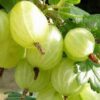
Gooswberry Hinnonmaki Green gives Abundant Harvests of Delicious Green Berries
Expect heavy crops of larger-than-average green gooseberries ready for picking from mid-July onwards. These beautiful fruits offer a perfect balance of sweetness and acidity, with a delicious aromatic flavour that sets Hinnonmaki Green apart from standard varieties. The juicy berries can be enjoyed fresh straight from the bush as a healthy garden snack, or incorporated into traditional recipes including jams, pies, crumbles, and preserves. These versatile gooseberries also freeze exceptionally well, allowing you to enjoy your harvest throughout the year.
Perfect for Small Gardens & Container Growing
With slow-growing characteristics and a compact mature height rarely exceeding 1.3 metres, Hinnonmaki Green proves ideal for smaller gardens where space is at a premium. This manageable size also makes it perfect for container fruit growing, allowing gardeners with patios, balconies, or limited ground space to enjoy homegrown gooseberries. When planting in the ground, position bushes 1.5 metres apart to ensure adequate air circulation and optimal fruit production.
Growing Conditions & Planting Requirements
Soil & Location Preferences for Gooseberry Hinnonmaki Green
Gooseberry bushes demonstrate excellent adaptability, tolerating a wide range of soil conditions. However, for best results, plant Hinnonmaki Green in moist, well-drained soil enriched with organic matter. While these bushes crop most abundantly in full sun positions, they will tolerate light shade, making them suitable for various garden locations. The Finnish heritage of this variety ensures exceptional frost tolerance, perfect for exposed or colder garden sites.
Premium Quality Plants Delivered to Your Door
Each Hinnonmaki Green gooseberry arrives as a premium AA quality plant, carefully machine-packed with roots wrapped in a protective soil block for maximum freshness and transplanting success. This specialized packaging maintains moisture levels and protects the delicate root system during transit. Simply soak the root ball in water for approximately one hour before planting to rehydrate the roots and ensure optimal establishment.
What’s Included in Your Order
- 1 Premium Quality Gooseberry Bush – Hinnonmaki Green variety
- Protected Root Ball – Machine-packed soil block for freshness
- Photo Label – For easy variety identification
- Delivery Bag – Secure packaging for safe arrival
- Free UK Delivery – Price includes nationwide shipping
Delivery Information for Gooseberry Hinnonmaki Green
Order immediately to ensure delivery in time for the optimal planting season. Deliveries commence mid-January, allowing you to plant during the dormant period for best establishment results. All plants are visually inspected before dispatch to guarantee you receive healthy, viable stock.
Quality Guarantee
We want you to be completely satisfied with your purchase. All gooseberry bushes undergo thorough visual inspection before packing. Should any problems arise, please contact us within 48 hours of delivery. Please note that due to the living nature of plants, we cannot accept responsibility for failure after planting, as factors including pests, disease, horticultural practices, extreme weather conditions, and other elements beyond our control can affect plant performance.
Related products
