

Basil Opal – Red-Leaved Purple Basil Seeds
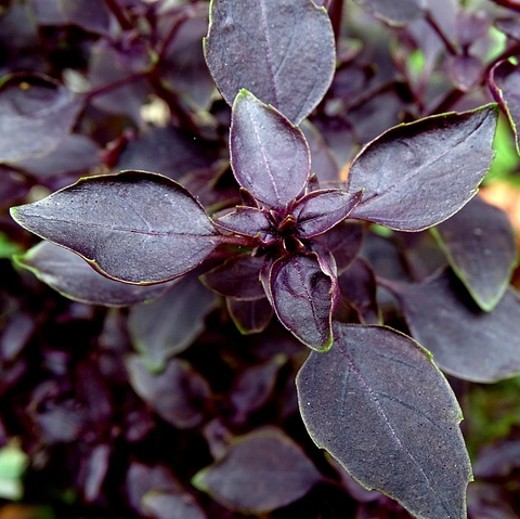
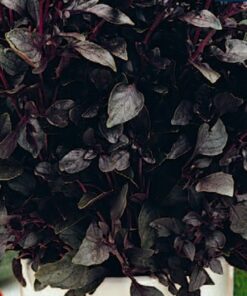
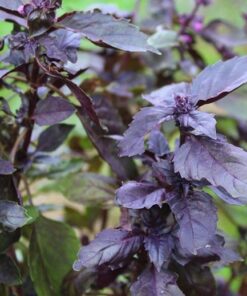
Basil Opal (Ocimum basilicum ‘Opal’) is a stunning red-leaved basil variety that brings both beauty and flavour to your home or garden. First developed in the 1950s by John Scarchuk and Joseph Lent at the University of Connecticut, this distinctive herb has become a favourite among gardeners, chefs, and plant enthusiasts. Its deep purple leaves, occasionally mottled with green, and its soft pink flowers make it as decorative as it is delicious.
A Showpiece in the Garden
Basil Opal is a very showy annual plant that adds dramatic colour to any garden bed, border, or container. Its aromatic foliage releases a rich, spicy scent that enhances garden ambience and attracts pollinators such as bees. Because of its striking appearance, this basil is often grown purely for its ornamental value, providing vibrant contrast alongside green herbs and flowers.
Distinctive Flavour and Culinary Versatility
The dark purple leaves of Basil Opal have a mild liquorice-like flavour that adds depth and visual flair to countless dishes. The fresh leaves can be used to season cucumber dishes, salads, sauces, casseroles, roast meats, and fish, while dried leaves retain their aroma for long-lasting use. It also makes an elegant garnish, ideal for chefs who appreciate both taste and presentation.
Growing Instructions for Basil Opal
A half-hardy annual, best sown under glass in spring for planting outdoors after the final frosts. It can also be sown directly outside in late May. Choose a sunny, sheltered spot with well-drained soil for the best results. Regularly remove flower buds or harvest leaves before flowering to encourage new growth. Leaving a little foliage promotes a second harvest in autumn, ensuring a longer growing season.
Quality Assurance
All Basil Opal seeds are visually inspected and quality-checked before packing.
-
🌿 Premium seed quality
-
🚚 Free UK delivery
-
⚡ Immediate dispatch
-
🌸 Decorative and aromatic variety
Packet design may vary. Planting instructions are included on every packet.
Related products